Understanding Bathroom Tiles
In any bathroom, tiles do more than decorate; they protect walls and floors from moisture and daily wear. They set the tone of the room, influence perceived space, and affect cleaning routines. For a durable, timeless bathroom, balance performance with aesthetics. This guide draws on expert tips from tile installers and design perspectives to help you choose confidently.
Common tile materials
Ceramic Tiles
Ceramic tiles are versatile and budget friendly. They work well on walls and occasional floors in low to moderate moisture areas. They are lightweight, easy to cut, and come in a wide range of colors and patterns. For bathrooms with heavy moisture exposure, use a glaze that resists staining and ensure proper grout sealing.
Porcelain Tiles
Porcelain tiles are a type of dense ceramic with a low water absorption rate. They resist staining, scratches, and wear, making them ideal for showers and floors in busy households. They can mimic natural stone or timber with less maintenance. Because they are harder to cut and install, consider professional installation for best results.
Natural Stone
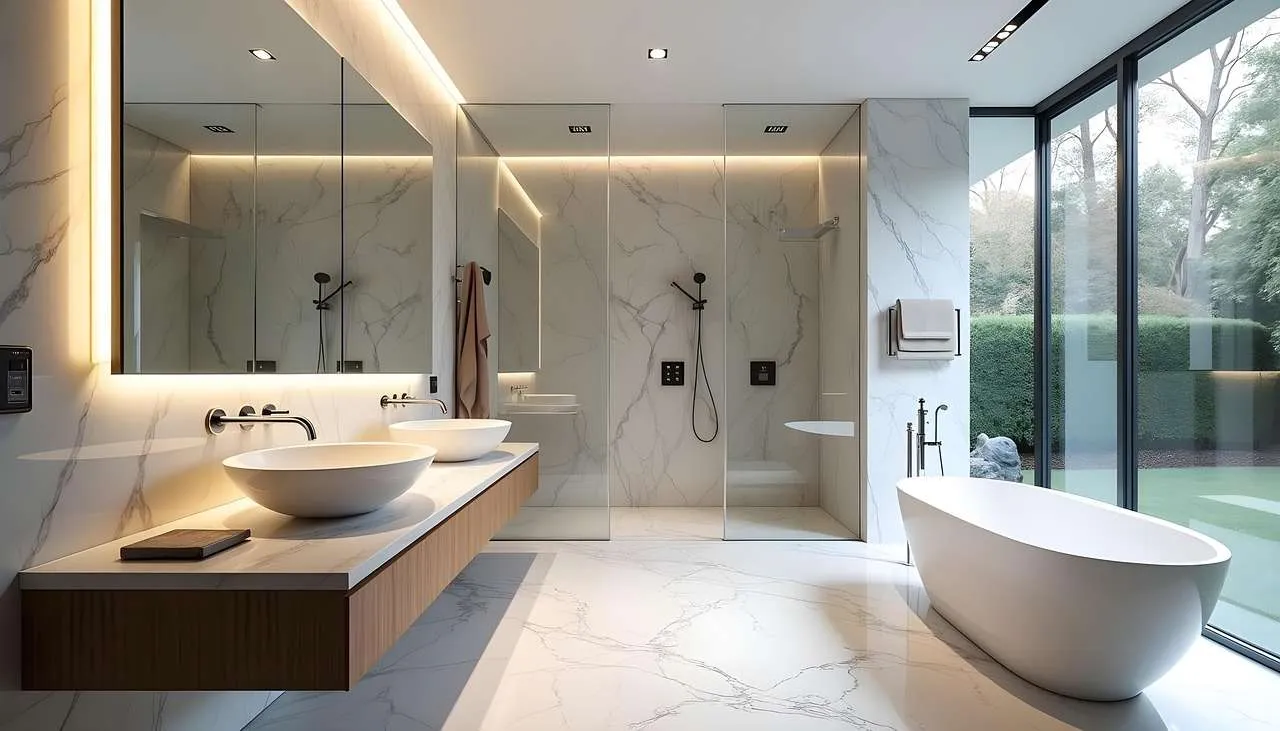
Natural stone such as marble, travertine, or slate adds luxury but requires more maintenance. Stone is porous and susceptible to staining; sealants must be reapplied periodically, and daily cleaning should avoid acidic cleaners. Slipperiness and color variation are design considerations; premium stone often makes the largest impact in bathrooms with good ventilation and sealed joints.
Glass and Mosaic Tiles
Glass tiles, often used as accents or backsplashes, bring light and depth to a bathroom. They are non-porous and easy to clean but can show water spots and require proper substrate preparation. Mosaic sheets create interesting patterns and can be used on shower niches or vanity backsplashes for texture.
Design options and layouts
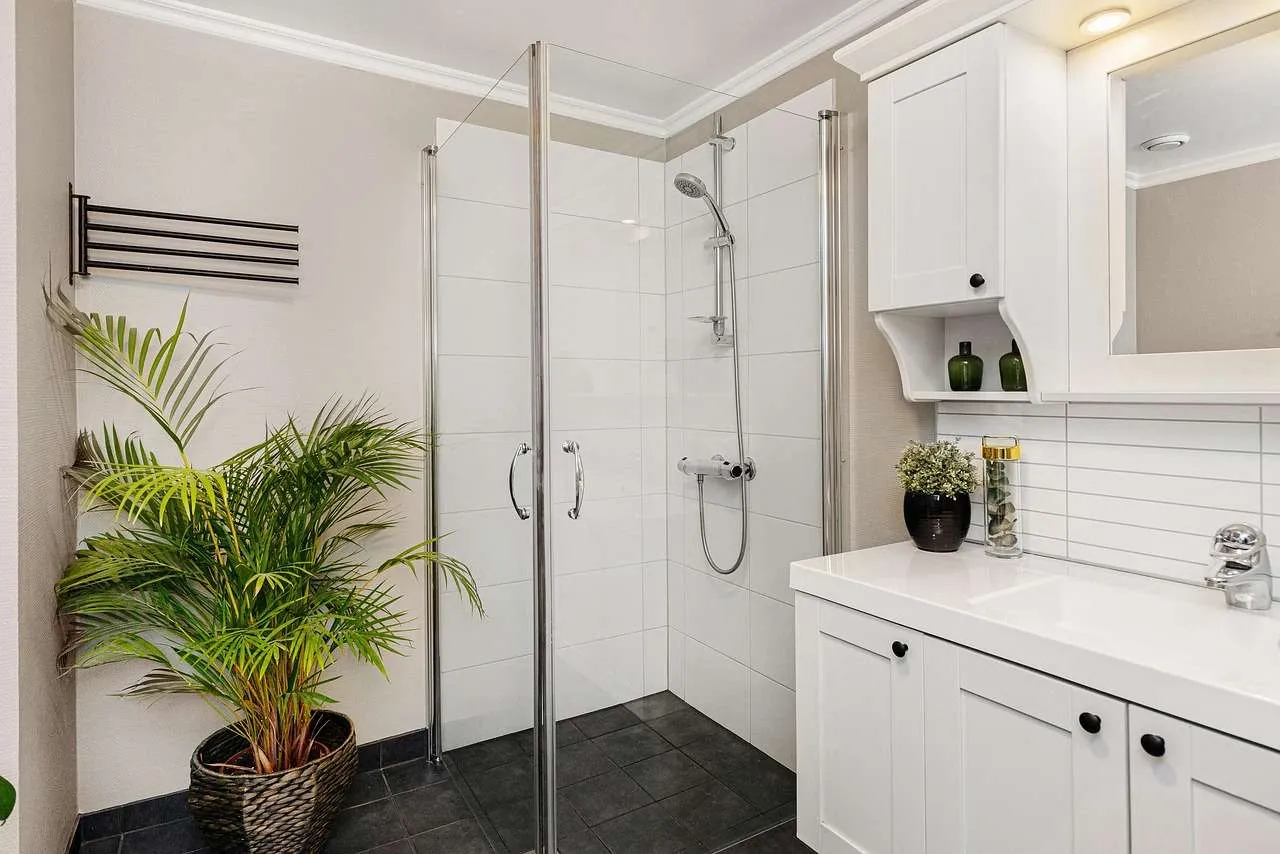
Tile size and layout transform a bathroom’s scale. Large format tiles (12x24 inches and up) can make small bathrooms feel more expansive, while smaller mosaics provide grip for shower floors. Herringbone, stacked, and brick patterns offer texture without overwhelming color. Consider matching grout colors to tile or choosing a contrasting grout for definition. When selecting tiles, also review slip resistance ratings and color consistency across batches to maintain a cohesive look.
Maintenance and installation tips
Choosing the right adhesive and grout is as important as the tile itself. For wet areas, epoxy grout resists staining and moisture better than cement-based options but can be harder to install. Sealing porous natural stone and some ceramic tiles reduces staining chances. Regular cleaning with pH-neutral cleaners preserves finish, and avoid harsh acids that can erode grout. For DIY enthusiasts, start with a small area, ensure a true substrate, and plan for expansion joints in larger rooms. For most bathrooms, professional installation ensures long-term performance and a professional finish.
Quick comparison of popular materials
| Material | Approx. cost per sq ft | Durability | Maintenance | |
|---|---|---|---|---|
| Ceramic | 1–5 USD | Moderate | Low | Walls and light traffic floors |
| Porcelain | 3–10 USD | High | Low | Showers and floors |
| Natural Stone | 7–25 USD | Very High | High | Luxury bathrooms |
| Glass | 7–20 USD | Moderate | Moderate | Accent walls and backsplashes |
How to choose the right bathroom tile
Start with moisture zones in your bathroom. Floors in showers need slip resistance and durable materials; walls can be more decorative yet still water resistant. Consider color and texture to create the desired mood, from spa-like neutrals to bold geometric patterns. The right grout color can hide dirt or highlight tile shapes. Budget your project by material and labor; porcelain and stone cost more upfront but offer longer life. Finally, work with reputable suppliers and installers who provide warranties and detailed care instructions to align with EEAT principles.
Conclusion, selecting bathroom tiles is a balance of durability, maintenance, and design. By understanding materials, layout options, and proper installation, you can achieve a space that looks great and lasts for years.